In ’71, the optimistic anthems were over. Like many artists of the time, the spirit just wasn’t there anymore: Vietnam, Altamont, Charles Manson, the general political climate… The big names in soul moved away from the — admittedly delicious — hits of the sixties and became more political (Mayfield, Gaye…), delivering their greatest albums in the early 1970s.
Sly Stone locked himself alone in the studio (with cocaine), tinkered around, and called on his band to add elements to his ideas. While the collective enthusiasm of Stand! is gone — though it can still be found to some extent on the superb Runnin’ Away — what emerges is a hazy, repetitive kind of funk. Even the beautiful single Family Affair bears the scars of this post-sixties depression.
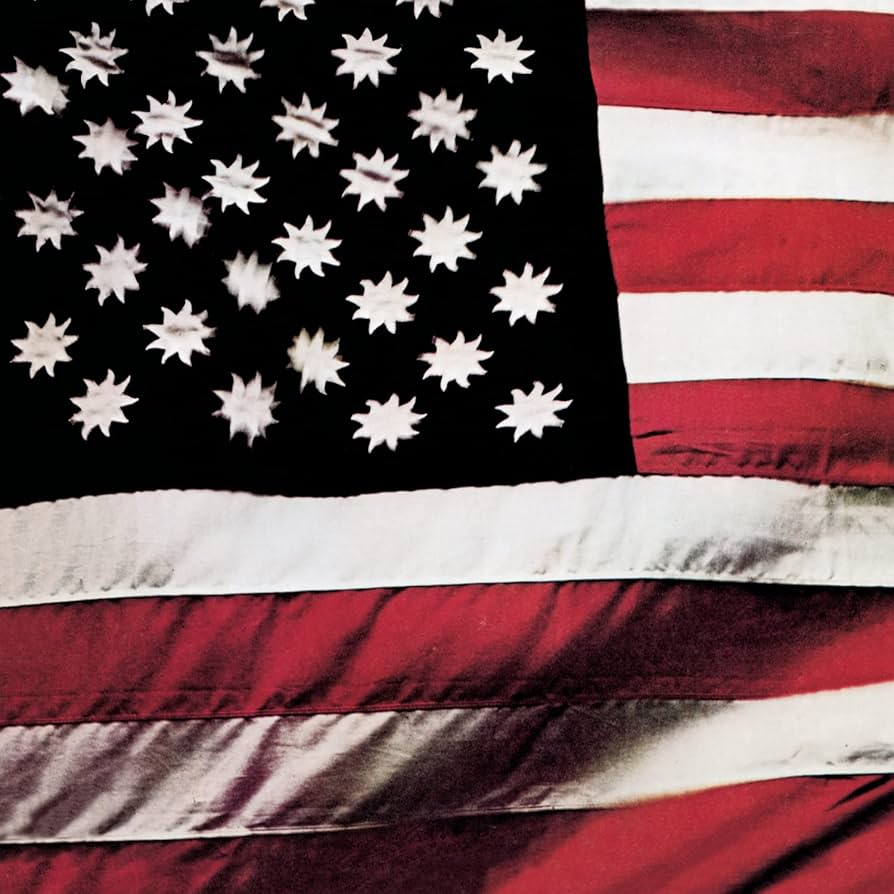
En 71, terminés les hymnes optimistes. Comme pas mal d’artistes à l’époque, le cœur n’y est plus : Vietnam, Altamont, Charles Manson, climat politique général… Les grands noms de la soul délaissent les hits — ô combien savoureux — des sixties et se politisent (Mayfield, Gaye…), livrant leurs plus grands albums au début des années 70.
Sly Stone s’enferme seul en studio (avec de la cocaïne), bidouille, fait appel à son groupe pour ajouter des éléments à ses idées. S’il n’y a plus l’enthousiasme collectif de Stand!, qu’on pourrait retrouver à la rigueur sur le superbe Runnin’ Away, on y trouve un funk brumeux et répétitif. Même le beau single Family Affair porte les stigmates de cette déprime post-sixties.
 Une humeur... une chanson
Une réflexion sur “Inner turmoil / Tempête sous un crâne”